Best Battery Backup for a Home Without Solar Panels (2026)
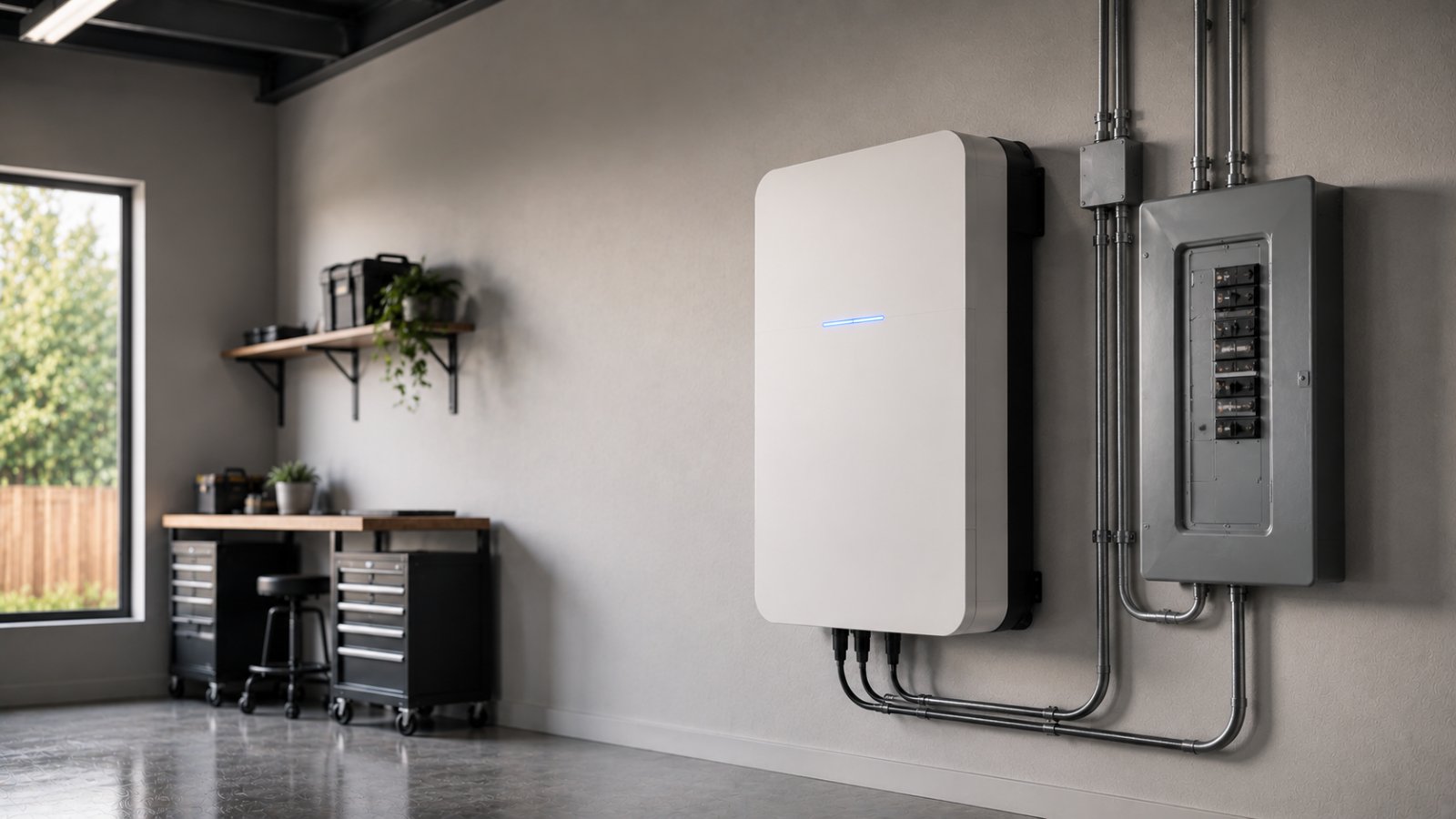
Here’s a myth worth busting: you do not need solar panels to own a home battery. A battery is happy to charge straight from the grid — storing electricity when it’s cheap or plentiful and delivering it when the power goes out (or when rates spike). For the millions of homeowners who want outage protection but aren’t ready to install a rooftop array, a grid-charged battery is often the smarter, faster, and cheaper path.
Below are the best home battery backup systems that work without solar panels in 2026, from simple plug-in units to whole-home installed systems.
Quick picks: for the best value whole-home backup without solar, the EcoFlow Delta Pro Ultra is outstanding. For a premium installed system, the Tesla Powerwall 3 grid-charges beautifully. And for a no-install, plug-in solution, the EcoFlow Delta Pro 3 or Anker SOLIX F3800 deliver serious backup you can set up yourself.
Note: Cost and incentive details here are general information, not financial advice. The 30% federal tax credit for home batteries ended after 2025; confirm current state and utility incentives locally.
Yes, a home battery works without solar — here’s how
A home battery has two jobs, and neither requires solar:
1. Backup power. It charges from the grid and sits ready. When an outage hits, it powers your home — silently and automatically — until the grid returns. No panels involved.
2. Bill savings through time-of-use arbitrage. In areas with time-of-use rates, the battery charges from the grid during cheap off-peak hours (overnight) and discharges during expensive peak hours (late afternoon/evening), so you use stored cheap power instead of buying expensive power. Over time, that spread can offset part of the battery’s cost.
You can always add solar later — most systems support it — but for pure backup and rate arbitrage, a grid-charged battery does the job on day one. We cover the concept in depth in Whole-House Battery Backup Without Solar: Is It Possible?.
Best no-solar battery backups at a glance
|
System |
Usable capacity |
Continuous power |
Type |
Best for |
|---|---|---|---|---|
|
EcoFlow Delta Pro Ultra |
6.1 kWh (to 90 kWh) |
7.2 kW (21.6 kW stacked) |
Hybrid/DIY |
Best value whole-home |
|
Tesla Powerwall 3 |
13.5 kWh |
11.5 kW |
Installed |
Best premium installed |
|
Anker SOLIX F3800 |
3.8 kWh (to 26.9 kWh) |
6 kW |
Plug-in/transfer switch |
Best plug-in whole-home |
|
EcoFlow Delta Pro 3 |
4 kWh (to 12 kWh) |
4 kW |
Portable/plug-in |
Best value plug-in |
|
EcoFlow Delta 3 Plus |
1 kWh (to 5 kWh) |
1.8 kW |
Portable |
Best essentials/budget |
Why go battery-only (without solar)?
Lower upfront cost. Skipping the solar array cuts the project cost dramatically — you’re buying just the battery, not panels, racking, and a rooftop install.
Faster and simpler. No roof work, no solar permits. Plug-in units can be running the same day; even installed batteries go in faster without a solar system.
Renters and shaded roofs. If you can’t put panels on your roof — because you rent, have too much shade, or an HOA says no — a grid-charged battery still gives you full backup.
Immediate backup. Your goal might simply be “keep my house running during outages.” A battery does that perfectly without solar.
You can add solar later. Most systems are solar-ready, so you’re not closing the door — just starting with backup now.
The best home battery backups without solar
EcoFlow Delta Pro Ultra — Best value whole-home
The Delta Pro Ultra is the standout for grid-charged whole-home backup. It charges rapidly from the grid, delivers 240V split-phase output at 7.2 kW (21.6 kW stacked), and scales to 90 kWh — genuine whole-home, multi-day capability. It requires far less permanent electrical work than a Powerwall and costs dramatically less per kWh, making it the smart choice for homeowners who want serious backup without solar and without a five-figure install.
Best for: Whole-home backup without solar, at breakthrough value.
Tesla Powerwall 3 — Best premium installed
The Powerwall 3 doesn’t need solar to shine. Installed and grid-charged, its 13.5 kWh and 11.5 kW output back up most of a home seamlessly, and its app-driven time-of-use arbitrage trims your bill by storing cheap off-peak power. It’s a premium, polished, whole-home system — and if you add solar down the road, the built-in inverter is ready. Just remember the 2026 cost is fully on you now that the federal credit has ended.
Best for: Homeowners wanting a premium installed system, solar-ready.
Anker SOLIX F3800 — Best plug-in whole-home
The F3800 delivers installed-class capability without a full installation. Grid-charged and connected through a transfer switch, its 6 kW inverter and 240V output run whole-home essentials — including a well pump or AC — and it expands past 26 kWh for multi-day outages. It’s the best bridge between a plug-in unit and a permanent system, ideal for homeowners who want big backup without big installation costs.
Best for: Whole-home backup via transfer switch, no solar or major install.
EcoFlow Delta Pro 3 — Best value plug-in
For serious backup you can set up yourself, the Delta Pro 3 is hard to beat: 4 kWh, 4 kW output, true 240V, expandable to 12 kWh, and easy grid charging. Connect it through a transfer switch for key circuits, or use it directly for essentials. At a fraction of an installed system’s cost, it’s the value champion for no-solar home backup.
Best for: Budget-minded whole-home-ish backup with no install.
EcoFlow Delta 3 Plus — Best essentials and budget
If you just want to keep the fridge, lights, internet, and devices alive during outages, the Delta 3 Plus is an affordable, effective grid-charged unit. It starts at 1 kWh, expands to 5 kWh, charges to 80% in under an hour, and runs essentials seamlessly with its sub-10ms UPS mode. It’s the easiest, cheapest entry into home battery backup without solar.
Best for: Essentials backup on a budget, no solar or install.
How to choose
Decide how much of your home to back up. Essentials only (fridge, lights, internet): 1–5 kWh, a plug-in unit. Most of your home: 10 kWh+ with 240V. Whole-home with heavy loads: 15 kWh+ and expandable.
Confirm 240V if you need hard-wired appliances. A well pump, central AC, or electric range needs a 240V split-phase system.
Plan your charging strategy. For pure backup, keep it topped off from the grid. For bill savings, check whether your utility offers time-of-use rates that make off-peak charging worthwhile.
Weigh plug-in vs installed. Plug-in units cost far less and need no permits; installed systems offer seamless whole-home integration at a premium. See How Much Does a Home Battery Backup System Cost in 2026?.
A simple charging strategy for backup-only use
If your goal is pure outage backup (not bill savings), the strategy is refreshingly simple: keep the battery topped off from the grid so it’s always ready. Most systems let you set a high backup reserve, and many can be left plugged in continuously, sipping grid power to stay full without harming the LiFePO4 cells. When a storm’s in the forecast, confirm it’s at 100%; when the grid fails, it takes over automatically.
If you also want bill savings and your utility has time-of-use rates, add a schedule: charge during cheap overnight off-peak hours, and let it discharge during expensive late-afternoon peaks, while still reserving enough capacity for backup. Either way, no solar is required — the grid does the charging, and the battery does the rest.
Limitations and who this isn’t for
A grid-charged battery can’t recharge mid-outage, so its capacity is a hard ceiling — once it’s empty, you’re out until grid power returns. True whole-home coverage without solar gets expensive quickly, which makes these best for short, frequent outages and essential loads rather than multi-day resilience. Renters and homes that rarely lose power may be better served by a portable unit or a generator.
How we source this guide: capacities, runtimes and prices are drawn from manufacturer documentation and reputable public sources and can change. Always confirm current specifications and pricing on the manufacturer’s website before buying.
Frequently asked questions
Can you have a home battery without solar panels? Yes. Home batteries charge directly from the grid, providing full outage backup and time-of-use bill savings without any solar panels. You can add solar later if you choose.
What is the best home battery backup without solar? For whole-home value, the EcoFlow Delta Pro Ultra; for a premium installed system, the Tesla Powerwall 3; for plug-in whole-home, the Anker SOLIX F3800; and for budget essentials, the EcoFlow Delta 3 Plus. All charge from the grid without solar.
Does a home battery save money without solar? It can, in areas with time-of-use rates: charge from the grid when power is cheap (off-peak) and discharge when it’s expensive (peak). The savings depend on your rate spread. Its main value without solar, though, is reliable outage backup.
Can a grid-charged battery back up my whole house? Yes, with a 240V-capable system of sufficient capacity, wired through your panel. A Tesla Powerwall 3 or stacked EcoFlow/Anker system can run most homes entirely on grid-stored power during an outage.
Is it cheaper to get a battery without solar? Much cheaper upfront, since you skip the panels, racking, and rooftop installation. A grid-charged battery delivers full backup for far less than a full solar-plus-storage system.
Will a grid-charged battery run out during a long outage? Without solar, the battery holds only what it stored before the outage, so in a multi-day blackout it will eventually run down. For typical outages of hours, this isn’t a concern; for long events, add capacity, conserve, add solar, or keep a generator backstop.
Is a battery without solar cheaper than solar-plus-battery? Yes, significantly — you skip the panels, racking, and rooftop installation. A grid-charged battery delivers full outage backup and time-of-use savings for far less upfront than a complete solar-plus-storage system.
The bottom line
You don’t need solar panels to enjoy home battery backup. A grid-charged battery keeps your house running through outages and can trim your bills through time-of-use arbitrage — all without a rooftop array. The EcoFlow Delta Pro Ultra is the best value for whole-home backup, the Tesla Powerwall 3 is the premium installed pick, and the EcoFlow Delta Pro 3 and Anker SOLIX F3800 deliver serious plug-in backup without a costly install. Decide how much of your home to protect, confirm 240V if you need it, and enjoy silent, automatic power the next time the grid goes down — panels optional.